Why it matters
Social infrastructure shapes what people and communities are able to do.
Five things a shared, open place does for the people who use it
These hold for social infrastructure of any kind, a park, a ground, a community hall. A library is one form of it, and the form most villages could have.
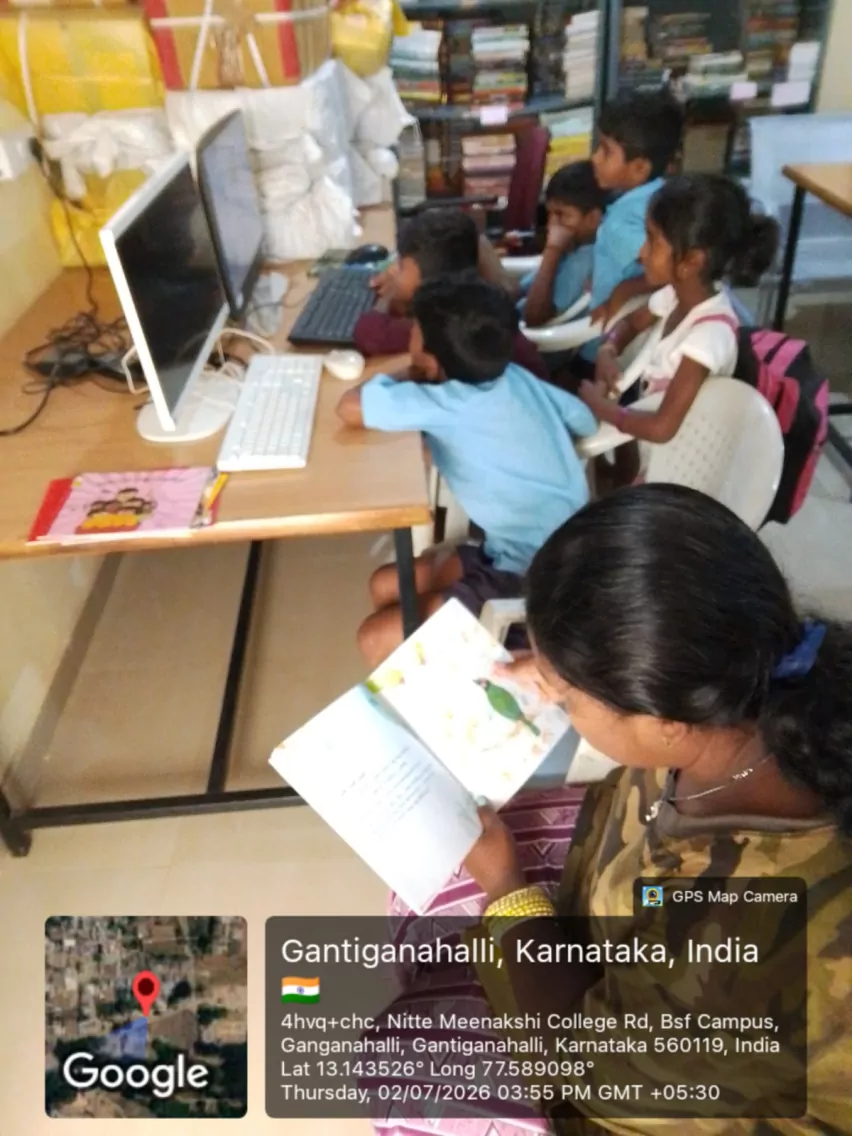
Can people find, understand and act on useful information?
Information rarely fails for want of being published. It fails for want of somewhere to ask about it, and someone who will sit with you while you fill the form.
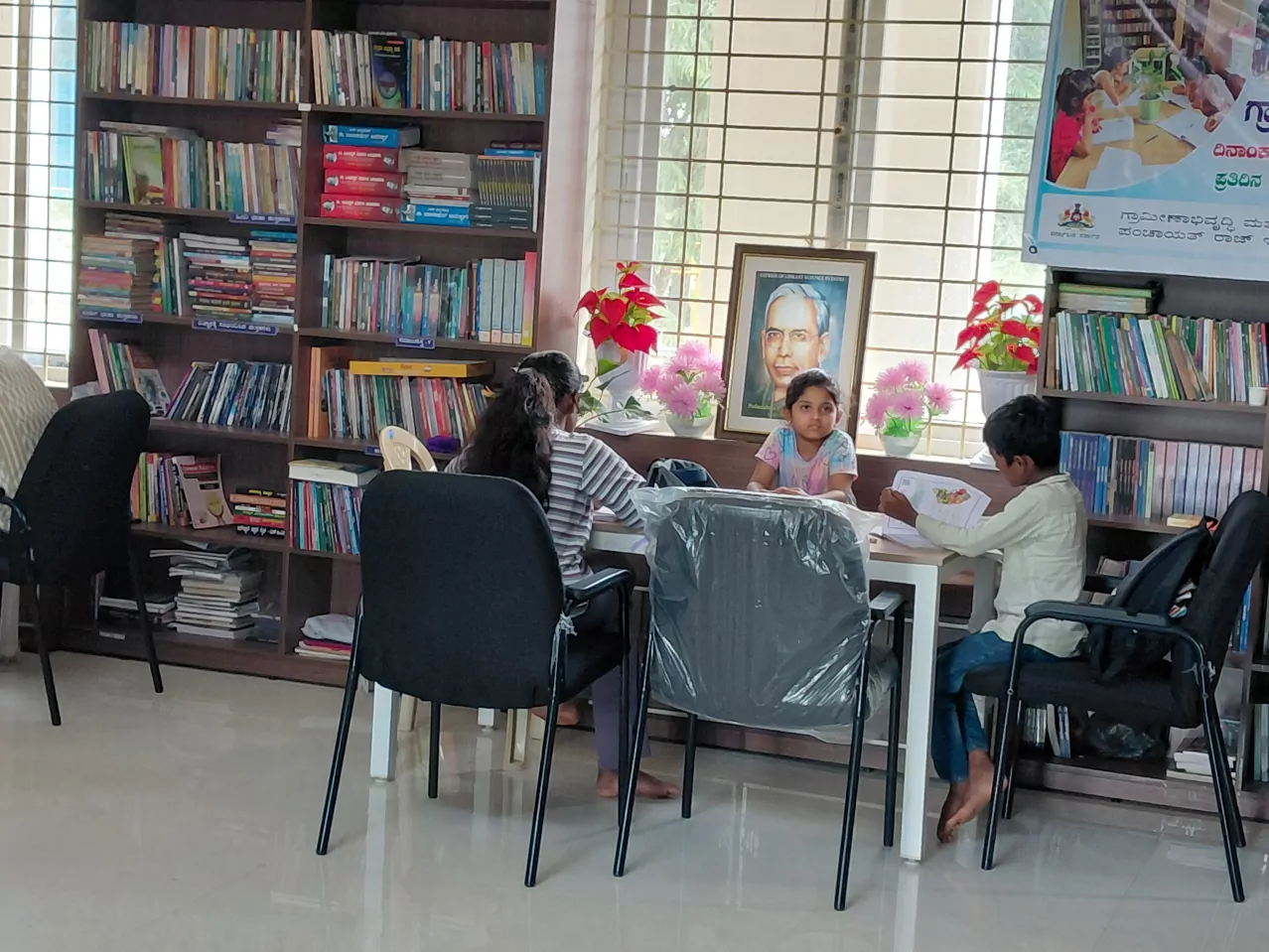
Do people form relationships, receive support and feel they belong?
Support is built out of repetition. Being in the same room as the same people, week after week, is what turns neighbours into the people you can call.
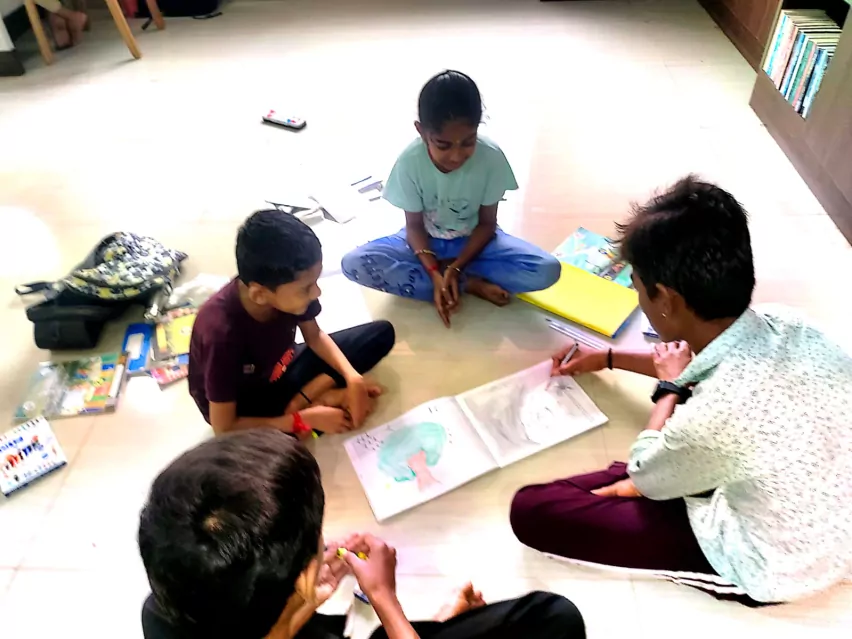
Do people encounter and build relationships beyond their usual social circles?
A village is many circles that rarely overlap. A place open to everyone, with something to do in it, is one of the few settings where children from different hamlets end up on the same side of a game.
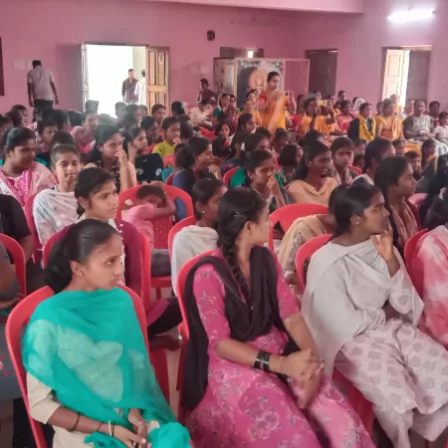
Can people exercise voice, organise, contribute and act together?
Groups need somewhere neutral they are allowed to claim. Without a room, an intention stays an intention. With one, it becomes a meeting, then a habit.
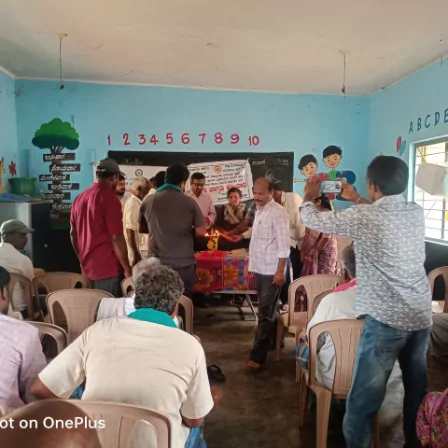
Can communities share information, mobilise support and coordinate when shocks occur?
Nobody builds a network during a flood. When something goes wrong, people use the places and the relationships they already had, which is why the ordinary weeks matter.
There is a growing movement focusing on Social HealthInfrastructureConnectedness
01 · WHO Commission, 2025
A new Commission on Social Connection, to address loneliness as a pressing health threat and accelerate solutions worldwide. One approach: strengthen social infrastructure, libraries, parks, transport, social services.
02 · IFLA–UNESCO Manifesto
The public library as a “living force” for education, culture, information, inclusion and civic engagement.
03 · Mature library ecosystems
93,000
programmes a year at New York Public Library, toddlers to seniors
6,000
adult learners a year at Queens Public Library: language, equivalency, jobs
Activities create the pretext for people from unlike backgrounds to chance encounter each other, and do something together in a neutral space. This is how social connections form.
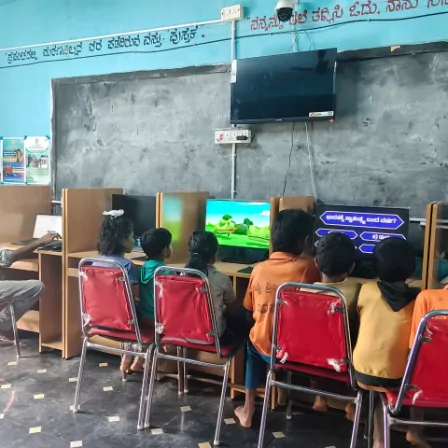
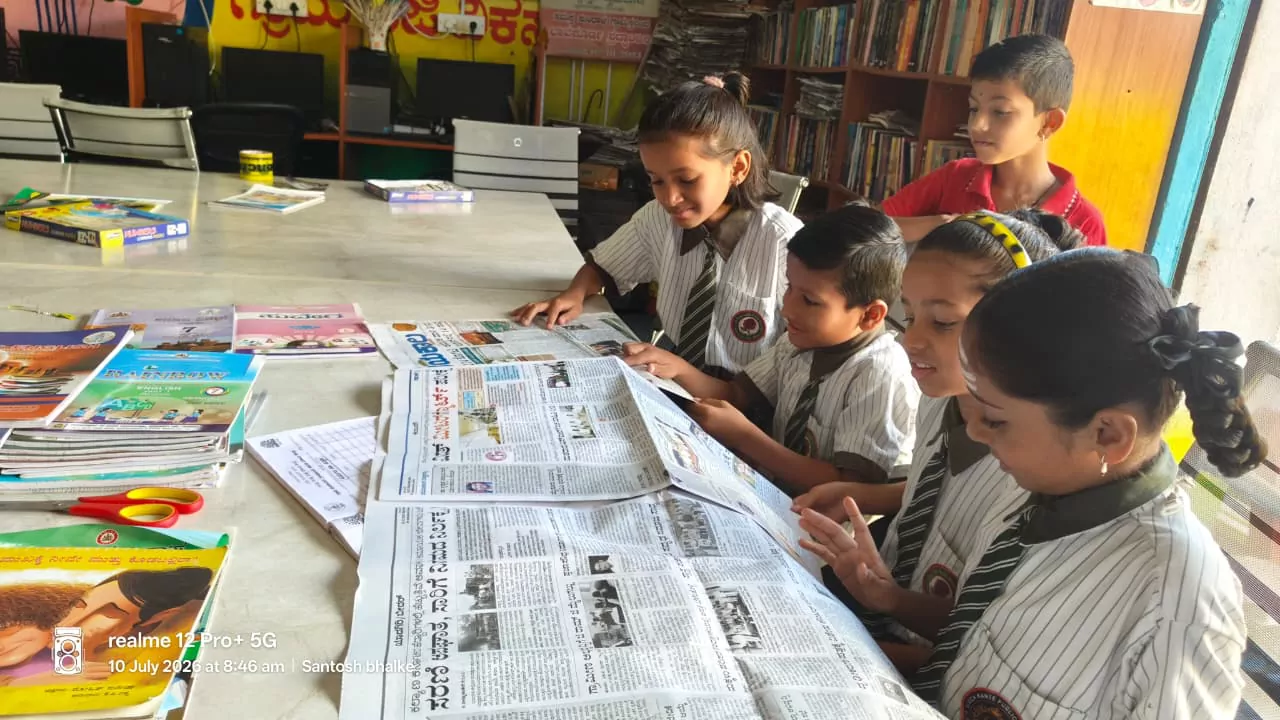
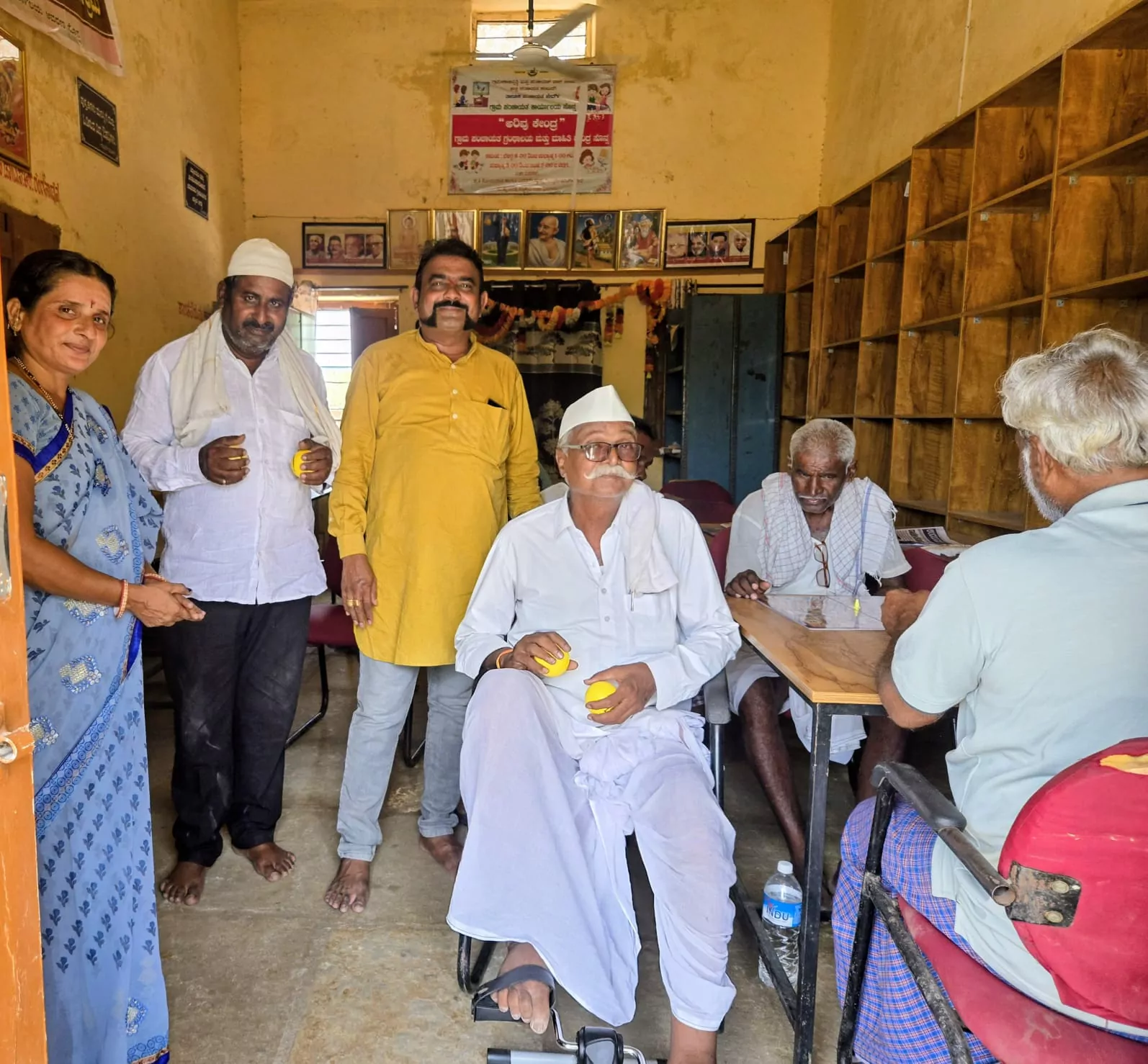
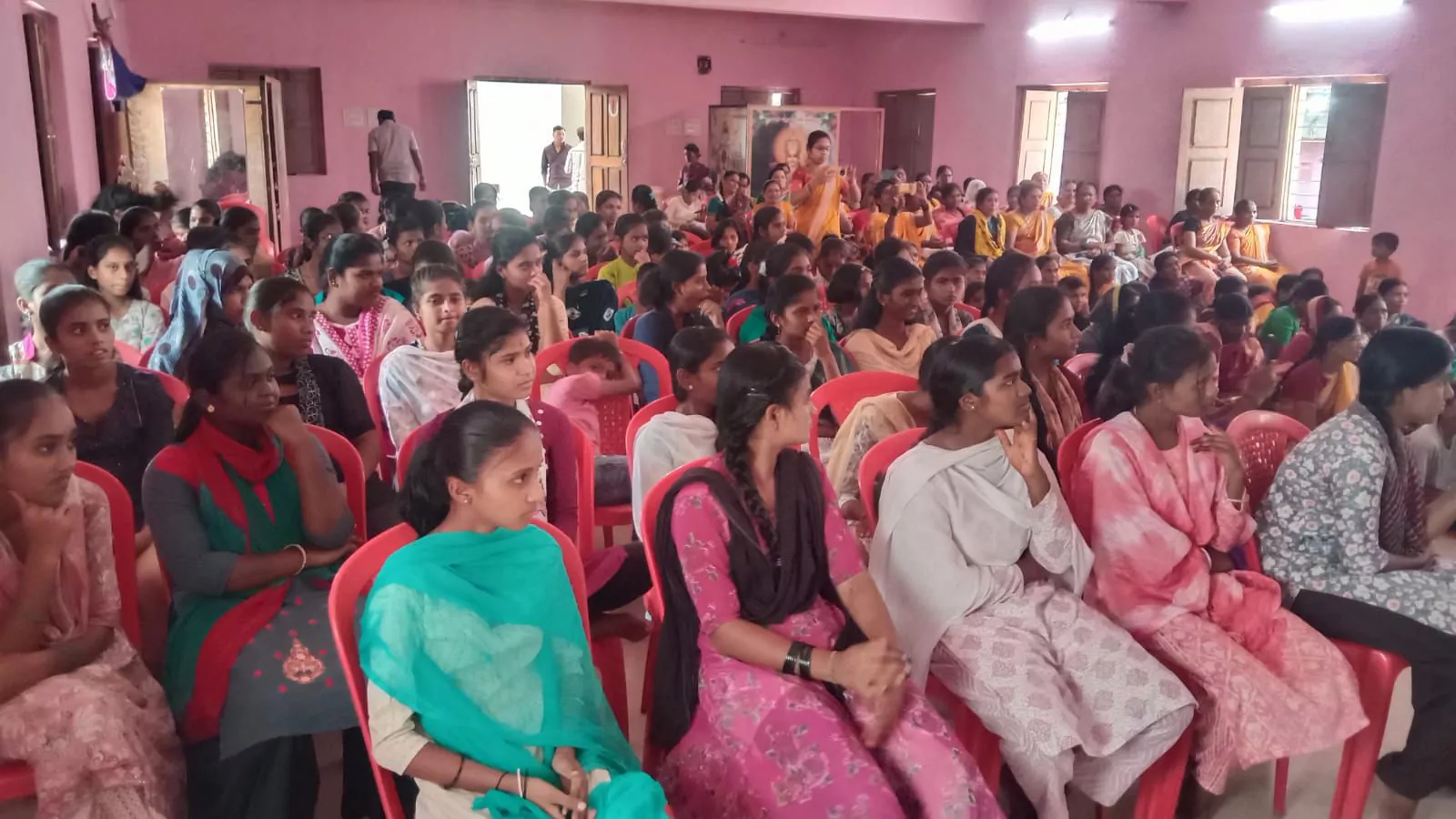
Most public libraries in India are rooms with books in them. Very few are working as social infrastructure.
See how Arivu Mitra activates this →